In a pot on low heat, add olive oil and pancetta. Cook slowly to render the fat, which will form the base flavor of the sauce.
Add finely diced carrots, onions, and celery (soffritto) to the pot. Sweat on low heat for 20-25 minutes until the vegetables are soft and sweet, but not colored.
Add a pinch of salt to the soffritto. Grate in the garlic and cook for another two minutes, being careful not to let it burn.
Once the vegetables are perfectly soft and sweet, remove the entire soffritto mixture from the pot and set it aside for later.
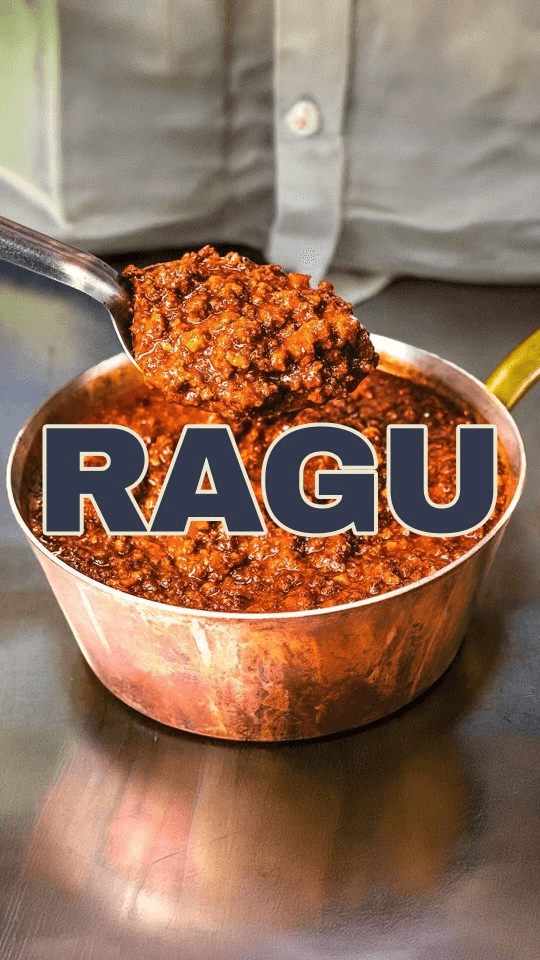
Increase the heat to medium-high. Add the beef mince in thin layers to the same pot, allowing each layer to get a deep brown caramelization before stirring. This Maillard reaction is key to developing flavor.
Once the mince is well-browned, add the diced pork belly to the pot. Cook slowly to render its fat and allow the collagen to start breaking down.
Add the tomato paste to the meat and cook it out until it caramelizes and turns a deep, rich red-brown color.
Pour in half of the milk. This tenderizes the meat fibers. Let it cook and reduce until fully absorbed by the meat.
Deglaze the pot with red wine, scraping up all the caramelized bits (fond) from the bottom. Reduce the wine by about half.
Add the reserved soffritto back into the pot. Pour in the tomato passata and chicken stock.
Add the Parmesan rind and bay leaves for umami and aromatic depth. Grate in a pinch of nutmeg.
Bring the ragu to a simmer, then cover with a lid. Place in a preheated oven at 120°C (250°F) and cook for 4.5 hours.
Bake the potatoes in an oven at 200°C (400°F) for about 1 to 1.5 hours, or until completely soft.
While the potatoes are still warm, cut them in half and press the flesh through a potato ricer or a fine sieve to create a light, fluffy texture.
On a board, make a well in the riced potato. Season with salt, then add the egg yolk and '00' flour. Gently combine the ingredients to form a soft dough, being careful not to overwork it.
Roll the dough into long ropes about 1.5-2cm thick, then cut them into small, bite-sized gnocchi pieces.
Cook the gnocchi in a large pot of boiling salted water. Once they float to the surface, cook for another 20-30 seconds, then remove and place them on a lightly oiled tray to cool.
To make the gastrique, combine balsamic vinegar and sugar in a small saucepan. Bring to a boil, then simmer for one minute to slightly thicken. This will be used to balance the final sauce.
After 4.5 hours of cooking, remove the ragu from the oven. Discard the Parmesan rind and bay leaves.
Stir in the remaining milk to add roundness. Then, whisk in the cold butter off the heat to create a glossy, emulsified sauce. Finally, add a small amount of the gastrique to balance the richness with acidity.
To serve, heat a touch of olive oil in a pan and lightly pan-fry the cooked gnocchi until golden.
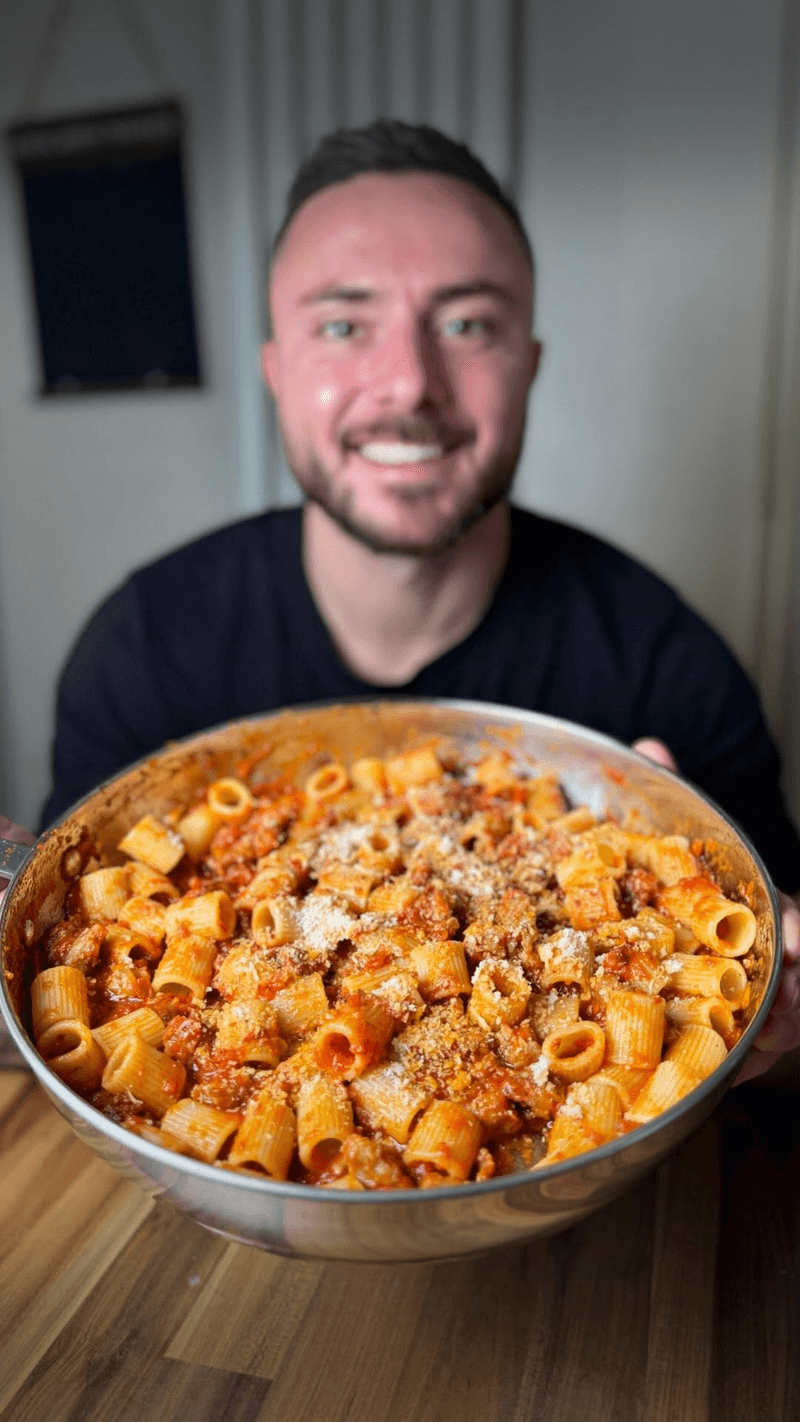
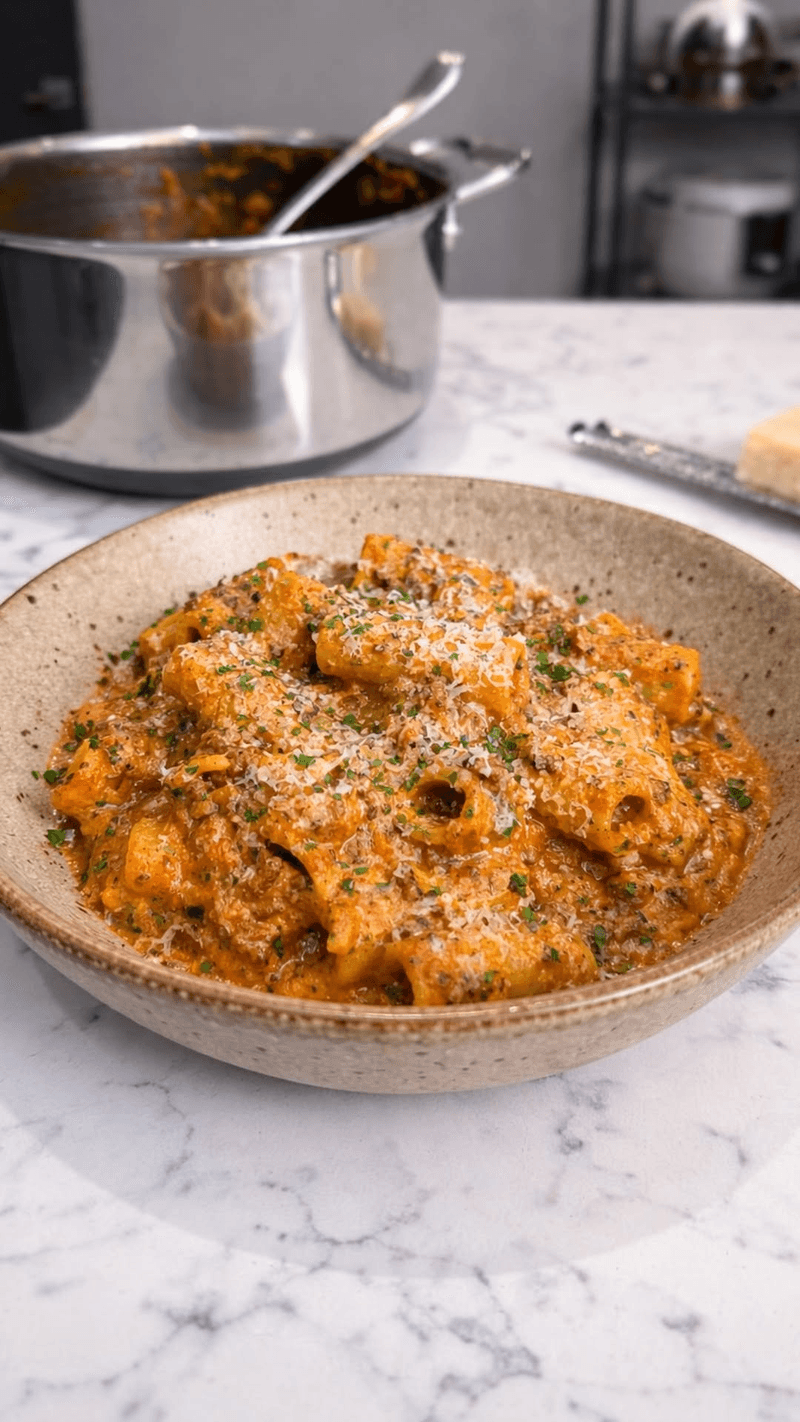
Add the finished ragu to the gnocchi in the pan. Warm everything through together, then add a little grated Parmesan cheese to help bind the sauce.
Plate the gnocchi and ragu. Finish with a final grating of Parmesan cheese and fresh basil leaves.
Nutrition data is AI-estimated and may not be fully accurate.
This recipe was created by analyzing the video with AI. For full details, please refer to the original video.